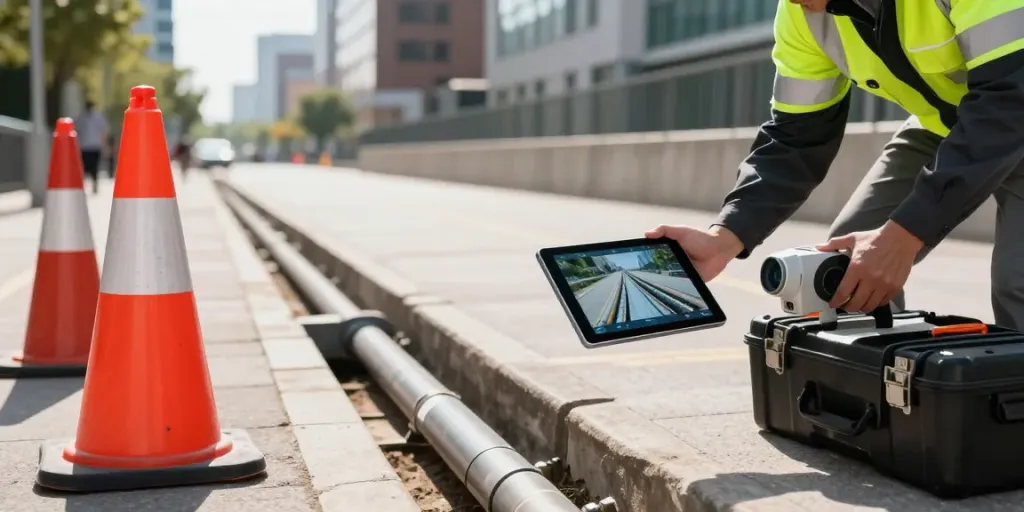
Understanding the Drainage Survey for Build Over Agreement
In the realm of property development, understanding the intricacies of drainage systems is essential to prevent future complications. The importance of a drainage survey before undertaking any construction, particularly for projects involving a Build Over Agreement, cannot be overstated. A Drainage Survey for Build Over Agreement serves to identify the layout and condition of existing drainage systems, ensuring compliance with legal and safety standards.
Definition and Purpose of Drainage Surveys
Drainage surveys involve a systematic inspection of underground drainage systems, typically employing advanced technologies such as CCTV cameras. These inspections are critical for identifying existing issues such as blockages, leaks, or structural damage. The primary purpose of a drainage survey is to assess the condition of drainage systems before any construction work begins, thus preventing potential complications that could arise during or after construction.
Importance of Build Over Agreements
A Build Over Agreement is a legal requirement when constructing over or near public sewer systems. It ensures that the integrity of the sewer is not compromised and that proper access is maintained for future maintenance. This agreement protects both the property owner and the local water authority, making drainage surveys an integral part of the planning process.
Key Regulations and Standards
In the UK, drainage surveys for Build Over Agreements must comply with specific regulations set forth by local governing bodies. This includes adhering to standards that ensure the safety and functionality of drainage systems. Compliance with these regulations is crucial, as failure to follow proper procedures can lead to costly delays and legal issues down the line.
The Process of Conducting a Drainage Survey
Pre-Survey Preparations
Before commencing a drainage survey, thorough preparations are essential. This includes obtaining relevant plans and records of existing drainage layouts from local authorities. Understanding the site's specific requirements can aid surveyors in identifying potential challenges that may arise during the survey process.
Utilising CCTV Technology in Surveys
CCTV technology has revolutionised drainage surveys, allowing for a non-invasive inspection of underground systems. High-resolution cameras are inserted into drainage pipes to capture real-time footage, enabling surveyors to identify issues without the need for excavation. This method not only saves time but also minimizes disruption to the property and surrounding areas.
Interpreting Survey Data Accurately
Once the data has been collected, it must be accurately interpreted to inform the necessary actions. This includes creating detailed reports that outline the condition of the drainage system and identifying any required repairs. Advanced software such as WinCan can be utilised to facilitate the processing and presentation of survey data.
Common Challenges in Drainage Surveys
Accessing Underground Systems
One of the primary challenges faced during drainage surveys is accessing underground systems, particularly in densely populated urban areas. Properties may have limited access points, making it difficult to deploy equipment effectively. Surveyors must deploy creative strategies to access these systems without causing disruption.
Identifying Potential Hazards
When conducting surveys, identifying potential hazards such as collapsing structures or hazardous materials is crucial. Surveyors must be trained to recognise these dangers to ensure both their safety and the integrity of the site is maintained throughout the survey process.
Addressing Misconceptions About Drainage
There are many misconceptions surrounding drainage systems and their maintenance. A common belief is that drainage systems will remain functional without regular inspection or maintenance. However, neglecting these systems can lead to severe issues, including flooding or structural damage to properties. Education and awareness are vital in addressing these misconceptions.
Best Practices for Effective Drainage Surveys
Choosing the Right Surveyors
Choosing experienced and accredited drainage surveyors is crucial for ensuring accurate results. Surveyors should have access to the latest technology and follow industry best practices. It's recommended to check their qualifications and experience, especially in dealing with drainage surveys required for Build Over Agreements.
Step-by-Step Guide to Conducting Surveys
The drainage survey process should follow a systematic approach, which typically includes:
- Initial planning and site inspection
- Obtaining necessary permissions and documentation
- Conducting the survey using CCTV technology
- Data analysis and reporting
- Consultation on findings and recommendations
Utilising Advanced Technologies for Accurate Results
Incorporating advanced technologies further enhances the accuracy of drainage surveys. Tools such as Ground Penetrating Radar (GPR) can be used alongside CCTV to provide a complete picture of underground systems. Using a combination of technologies allows for a more comprehensive understanding of the drainage systems in place.
Future Trends in Drainage Surveys for Build Over Agreements
Emerging Technologies in Drain Inspection
As technology continues to evolve, so do the tools and techniques used in drainage inspections. Innovations such as artificial intelligence and machine learning are beginning to play a role in data analysis, enabling surveyors to predict potential issues before they arise. These advancements may revolutionise the way drainage surveys are conducted in the future.
Regulatory Changes and Their Impacts
Anticipated regulatory changes can significantly impact drainage surveys and Build Over Agreements. Staying informed about upcoming changes ensures that surveyors remain compliant and can adequately prepare for new requirements that may emerge. This adaptability will be vital for maintaining effective drainage systems.
Preparing for Changes in Urban Development
As urban development continues to expand, the need for effective drainage management becomes increasingly critical. Surveyors must prepare for the challenges posed by growing populations and diverse land use, ensuring that drainage systems can accommodate increased demand without compromising performance.
What is the cost of a drainage survey for build over agreements?
The cost of a drainage survey can vary depending on several factors, including the project's size, complexity, and location. Generally, clients can expect to invest in quality surveying services that provide comprehensive data and insights critical for ensuring successful construction. Comparing quotations from different surveyors can help identify the best value while considering quality and service standards.
Is a CCTV survey required for a build over agreement?
Yes, a CCTV survey is typically required for a Build Over Agreement to ensure the integrity of existing drainage systems. This survey provides the necessary evidence to satisfy local authorities and ensure compliance with regulations, mitigating potential issues during construction.
What does a drainage survey involve?
A drainage survey generally involves inspecting the condition and layout of pipes, identifying blockages, leaks, and structural issues, and documenting the findings in a detailed report. It also includes using CCTV technology to capture real-time footage of the drainage system, allowing for an accurate assessment.
Can you build over a drainage pipe?
Building over a drainage pipe is possible but requires obtaining a Build Over Agreement from the local water authority. This agreement ensures that the existing drainage system will not be compromised and that access for maintenance is guaranteed. It's vital to conduct a thorough drainage survey to ensure compliance with all regulations before proceeding.